
March 18th, 2025
Staff Writer for Wake Up World
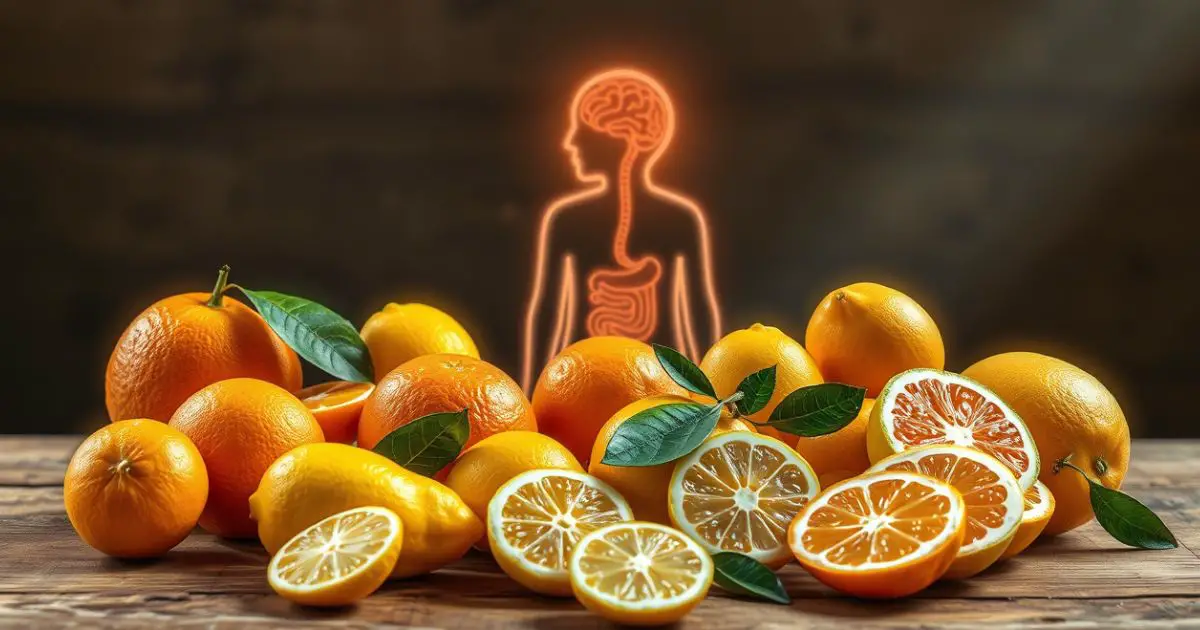
Could an orange or grapefruit lift your spirits? It might sound surprising, but new research uncovers a powerful link between citrus fruits, your gut, and your mood. Depression affects millions worldwide. However, this discovery offers a bright ray of hope straight from nature’s bounty. Let’s explore how citrus might ease mental struggles, backed by solid science and the fascinating gut-brain connection.
Citrus: More Than Just a Vitamin Kick
In 2017, a study tracked 32,427 women over several years. For example, it found something truly eye-opening. Women who ate the most citrus—like oranges, lemons, and grapefruits—had a 22% lower risk of depression compared to those who ate the least. The data confirmed this even after adjusting for age, weight, smoking, and diet habits. That’s a whopping 222,923 person-years of proof!
So, why citrus? Researchers dug deeper. They tested other foods like apples and bananas. However, “no significant associations were found,” they reported. This suggests that citrus isn’t just a stand-in for healthy eating—it’s unique. The secret might lie in flavonoids found in citrus peels and juice, such as naringenin and formononetin. These compounds are tied to lower depression risk. Meanwhile, vitamin C, often praised as citrus’s claim to fame, didn’t show the same effect. Clearly, these lesser-known nutrients steal the show.
Your Gut: The Unsung Mood Maker
Here’s where it gets exciting: your gut microbiome might bridge citrus to happiness. The study explored how citrus shapes gut bacteria. For instance, it identified 15 species linked to citrus intake. One standout? Faecalibacterium prausnitzii. This friendly microbe thrives with more citrus and seems to fend off depression.
“Citrus intake affected gut microbial structures,” researchers noted. F. prausnitzii grew stronger, while others, like Acidaminococcus intestini, shrank. Depressed people had less F. prausnitzii. Additionally, in a separate men’s study, higher levels of this microbe matched a better mood score. Therefore, the gut’s role in mental health is hard to ignore.
But how does this work? The gut isn’t just a digestion hub—it’s like a second brain. Scientists call this the gut-brain axis. Citrus might tweak this system in your favor, offering a natural mood lift over time.
Flavonoids: The Gut’s Happy Helpers
So, how does citrus spark this gut magic? Flavonoids like naringenin and formononetin play a big role. They boost F. prausnitzii and dial back less helpful microbes. Picture these compounds as gut cheerleaders, rallying the good guys. “Formononetin, furocoumarin, and naringenin showed a positive correlation with F. prausnitzii,” the study found.
Moreover, this microbe doesn’t just sit there. It produces short-chain fatty acids and powers the S-Adenosyl-L-methionine (SAM) cycle. SAM matters because it helps make serotonin and dopamine—chemicals that brighten your mood. “The SAM cycle I pathway was negatively associated with depression,” researchers said. In other words, more SAM could mean fewer blues.
Let’s break it down further. Imagine eating an orange. Its flavonoids nudge your gut microbes to churn out mood-friendly compounds. Over time, this small habit might shift how you feel—a simple yet profound change.
Gut to Brain: A Natural Feel-Good Path
How does a gut bug reach your mind? For starters, F. prausnitzii might slow the breakdown of serotonin and dopamine in your colon. That leaves more to signal your brain via the vagus nerve. “The SAM I pathway tied to lower MAOA expression.” the study revealed. MAOA clears out those happy chemicals. Less of it could naturally lift your spirits.
The evidence holds up over time. A follow-up check years later showed steady results. Thus, citrus isn’t a quick fix—it’s a slow, reliable boost. Think of it as planting seeds for long-term wellness.
A Fresh Twist on Feeling Good
This isn’t just about numbers—it’s a wake-up call for mental health. Depression can feel overwhelming. Yet, citrus offers a simple, tasty tool. It fits into a bigger shift toward natural healing. Food can nourish more than your body, and the gut plays a starring role. “Our study shows citrus may protect against depression,” researchers concluded. This opens doors to new diets and gut-focused solutions.
Picture this: a juicy orange at breakfast or a warm lemon tea in the afternoon. It’s not just refreshing. It feeds your microbiome and lifts your mood bit by bit. Additionally, it’s affordable and easy—unlike pricey supplements or complex therapies. For example, swapping a sugary snack for a grapefruit could rewire your gut for the better.
But it’s not all about citrus alone. Pair it with other gut-friendly habits—like eating fiber-rich veggies or cutting stress—and you amplify the effect. The science hints at a bigger truth: small choices add up.
Why This Matters Today
Depression rates are climbing, especially in fast-paced modern life. Meanwhile, many seek natural ways to cope. This research, which blends nutrition and microbiome science, feels timely. It’s not about replacing therapy or meds. Instead, it’s a complementary step—an empowering one. Who knew a fruit bowl could double as a mood toolkit?
The study isn’t perfect. It mostly tracked middle-aged women, so broader groups need testing. Still, its depth—spanning years and cohorts—makes it compelling. Future research might even pinpoint exact doses, like how many oranges equal a mood boost.
Your Next Move
Ready to try it? Grab an orange. Squeeze lime into your water. Add grapefruit to your salad. The science backs it up. With their flavonoids and gut perks, Citrus fruits might lighten your load. Nature often hides the best fixes in plain sight. So, why not taste a little joy today? Your gut—and your mind—might thank you.
Journal Reference
- F. prausnitzii potentially modulates the association between citrus intake and depression – microbiomejournal.biomedcentral.com/articles/10.1186
About the author
John Patterson is an avid writer and researcher who delves into the latest scientific research. With an insatiable curiosity, he translates complex concepts into accessible narratives, allowing readers to embark on a journey of discovery. John bridges the gap between experts and the public through his work, igniting curiosity and inspiring meaningful conversations about scientific breakthroughs.

If you’ve found value in our articles, we invite you to support the release of our brand-new book, “Gratitude Practices for Kids: A Practical Guide for Adults to Instill a Spirit of Appreciation and Positivity in the Next Generation.“
“Gratitude Practices for Kids” brings together over 25 innovative and accessible practices designed to enhance gratitude in everyday life. This comprehensive guide is backed by 17 scientific studies, ensuring each concept is grounded in research, underscoring our commitment to nurturing growth, emotional intelligence, and positive interactions between adults and children.
We encourage you to opt for the paperback version to celebrate this new release. Dive into its fresh pages away from digital distractions, allowing you to immerse yourself in the transformative practices it offers.
Over recent years, Wake Up World has faced significant online censorship, which has impacted our financial ability to operate. Moving into book publishing represents a strategic step to secure the ongoing funds needed to continue our mission. By purchasing Gratitude for Kids, you help us keep our content free and accessible to everyone, avoiding needing a paywall. With over 8,500 articles published in the last 13 years, we remain dedicated to keeping our valuable content open to all.
Leave a Comment