
January 3rd, 2025
Staff writer for Wake Up World
The Invisible Grip of Surveillance on Our Minds
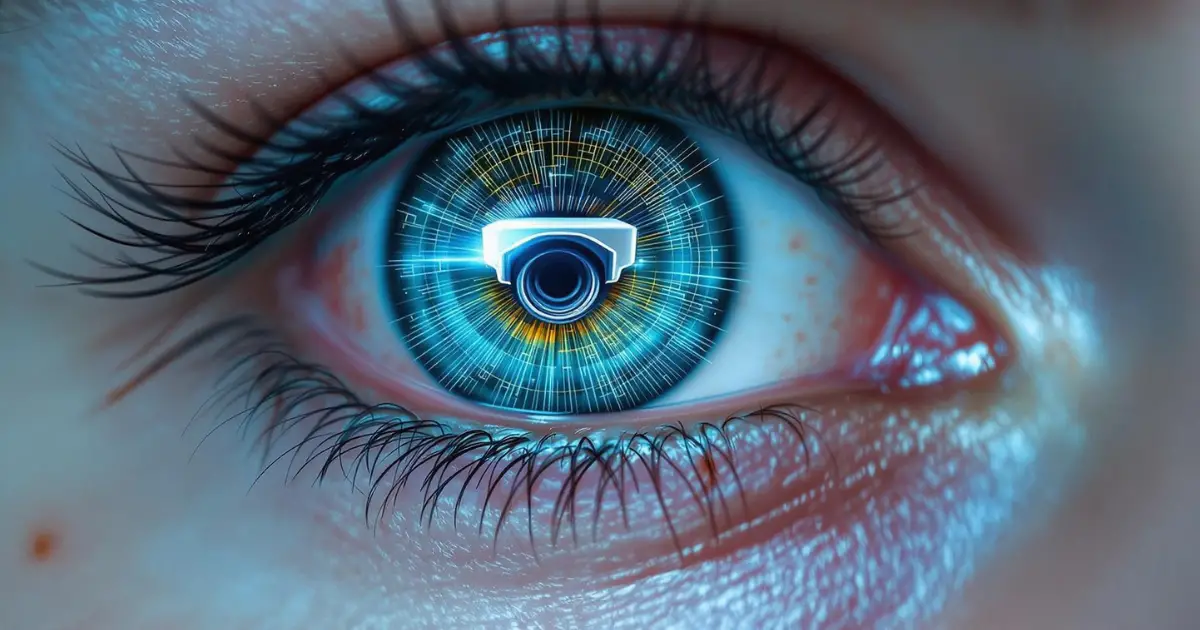
Imagine walking through your neighborhood, feeling an inexplicable tension. You glance around and notice cameras mounted on poles, silently recording your every move. Without even realizing it, your brain has already begun to react. According to groundbreaking research from the University of Technology Sydney (UTS), the simple act of being watched triggers a deeply ingrained response in our minds. This involuntary reaction goes beyond changing conscious behaviors; it alters the very fabric of our perception.
The implications of this are far-reaching. Surveillance, once justified as a tool to ensure public safety, is silently reshaping the way we think, feel, and interact. For instance, the UTS study revealed that participants under CCTV monitoring became hyper-aware of facial stimuli almost a second faster than the control group. This unconscious response mirrors patterns seen in mental health conditions like social anxiety, raising concerns about the broader psychological impact of surveillance on everyday interactions and mental well-being. In an era dominated by Big Brother and the ever-looming Deep State, these findings demand that we question the psychological cost of our increasingly monitored existence.
The Study That Exposed Big Brother’s Subtle Power
The study, published in the journal Neuroscience of Consciousness, involved 54 participants and investigated how the knowledge of being monitored impacts human sensory perception. Lead researcher Associate Professor Kiley Seymour explains;
We found direct evidence that being conspicuously monitored via CCTV markedly impacts a hardwired and involuntary function of human sensory perception—the ability to consciously detect a face.
Participants exposed to surveillance detected facial stimuli nearly a second faster than those in the control group. While this might seem like a minor change, the psychological ramifications are profound. The ability to detect faces is deeply tied to survival instincts and social interactions. Professor Seymour points out that this mechanism evolved to help humans detect threats, but under constant surveillance, it morphs into hyper-awareness—a state often associated with mental health conditions like social anxiety and psychosis.
Even more troubling was that participants were unaware of these changes. Despite reporting no significant concerns about being monitored, their brains reacted dramatically. This imperceptible shift in mental processing highlights the insidious nature of surveillance—it manipulates us without our consent or even our knowledge.
Surveillance as a Weapon of Control
The findings align with what privacy advocates have long argued: surveillance is not just about gathering information; it’s about control. CCTV, facial recognition software, and other monitoring technologies are sold to the public as tools for safety. Yet, their true purpose often lies in their ability to influence behavior and reinforce systemic power structures.
Retailers use surveillance to deter theft, but governments and corporations wield it as a psychological weapon. The hyper-awareness induced by being watched doesn’t just make you less likely to commit a crime; it makes you less likely to dissent, question authority, or engage in acts of civil disobedience. It’s a chilling reminder of George Orwell’s 1984, where the omnipresent gaze of Big Brother suppresses free thought and individuality.
As Professor Seymour notes, “The effects on basic social processing were marked, highly significant, and imperceptible to the participants.” This creates a dangerous dynamic: people become easier to manipulate and control, while remaining unaware of the forces shaping their behavior.
The Public Health Crisis Hidden in Plain Sight
The psychological impact of surveillance isn’t limited to individual discomfort. It poses a broader threat to public health. Hyper-sensitivity to being watched mirrors symptoms seen in conditions like social anxiety disorder, where individuals experience irrational fears of judgment and scrutiny. Over time, such stressors can contribute to chronic mental health issues, eroding societal well-being.
Moreover, the study suggests potential effects on the brain’s limbic system, which governs emotional responses. This raises urgent questions about how surveillance might amplify feelings of fear, distrust, and alienation—all hallmarks of a deeply divided and unhealthy society. The increasing normalization of surveillance technologies in public spaces, workplaces, and even schools could inadvertently sow the seeds of widespread psychological harm.
Fighting Back Against the Surveillance State
So, what can we do in the face of this invisible yet pervasive threat? The first step is awareness. Recognizing the psychological toll of surveillance empowers us to challenge the narrative that “if you have nothing to hide, you have nothing to fear.” Privacy is not about secrecy; it is about preserving autonomy and mental well-being, as studies increasingly reveal how constant surveillance can heighten stress levels, diminish trust, and compromise our capacity for independent thought.
Here are actionable steps to reclaim your freedom:
1. Educate Yourself and Others
Share research like the UTS study to shed light on the hidden costs of surveillance. Start conversations about privacy and its importance for mental health and societal freedom.
2. Use Technology to Your Advantage
Employ tools that protect your privacy, such as encrypted messaging apps, virtual private networks (VPNs), and browser extensions that block tracking. These tools act as shields against the intrusive gaze of Big Brother.
3. Advocate for Policy Change
Join movements calling for stricter privacy regulations and oversight of surveillance technologies. Push for transparency about how and why these tools are used, and demand accountability from governments and corporations.
4. Limit Your Digital Footprint
Be mindful of the information you share online. Avoid oversharing on social media and consider opting out of data collection where possible. The less information available to surveillance systems, the less power they hold over you.
5. Support Grassroots Movements
Organizations fighting for privacy rights need public backing. Donate, volunteer, or spread awareness about their efforts. Collective action is one of the most effective ways to counter the Deep State’s encroachments.
The Future of Freedom
Surveillance is more than a technological issue; it’s a battle for the soul of humanity. As the UTS study reveals, the psychological impact of being watched goes far deeper than previously understood. If left unchecked, the surveillance state will continue to erode not only our privacy but also our mental health and societal cohesion.
It’s time to take a stand. By educating ourselves, leveraging technology, and demanding policy change, we can resist the creeping control of Big Brother. The fight for privacy is a fight for freedom—a fight we cannot afford to lose.
Journal Reference:
- Big brother: the effects of surveillance on fundamental aspects of social vision. Neuroscience of Consciousness, 2024; 2024 (1) DOI: 10.1093/nc/niae039
About the Author
Jordan McKenzie advocates personal freedom and unwaveringly opposes the subtle mechanisms that threaten individual sovereignty. His commentary and thought-provoking analyses challenge readers to awaken to the realities of our times, advocating for a world where progress does not come at the expense of our foundational freedoms. Jordan’s writings are a call to reclaim our power, question the status quo, and forge a path toward a future that honors the sanctity of individual choice and expression.

If you’ve found value in our articles, we invite you to support the release of our brand-new book, “Gratitude Practices for Kids: A Practical Guide for Adults to Instill a Spirit of Appreciation and Positivity in the Next Generation.“
“Gratitude Practices for Kids” brings together over 25 innovative and accessible practices designed to enhance gratitude in everyday life. This comprehensive guide is backed by 17 scientific studies, ensuring each concept is grounded in research, underscoring our commitment to nurturing growth, emotional intelligence, and positive interactions between adults and children.
We encourage you to opt for the paperback version to celebrate this new release. Dive into its fresh pages away from digital distractions, allowing you to immerse yourself in the transformative practices it offers.
Over recent years, Wake Up World has faced significant online censorship, which has impacted our financial ability to operate. Moving into book publishing represents a strategic step to secure the ongoing funds needed to continue our mission. By purchasing Gratitude for Kids, you help us keep our content free and accessible to everyone, avoiding needing a paywall. With over 8,500 articles published in the last 13 years, we remain dedicated to keeping our valuable content open to all.
Leave a Comment